
Freetown, Sierra Leone · Since 2013
Evidence that decision makers can act on.
The Institute for Development (IfD) is a Sierra Leonean-led research and evidence organisation working to ensure that decisions affecting people’s lives are informed by relevant, rigorous and locally grounded evidence.

From evidence to action
One purpose across all our work: helping countries generate, govern and use their own knowledge to make better and more equitable decisions.
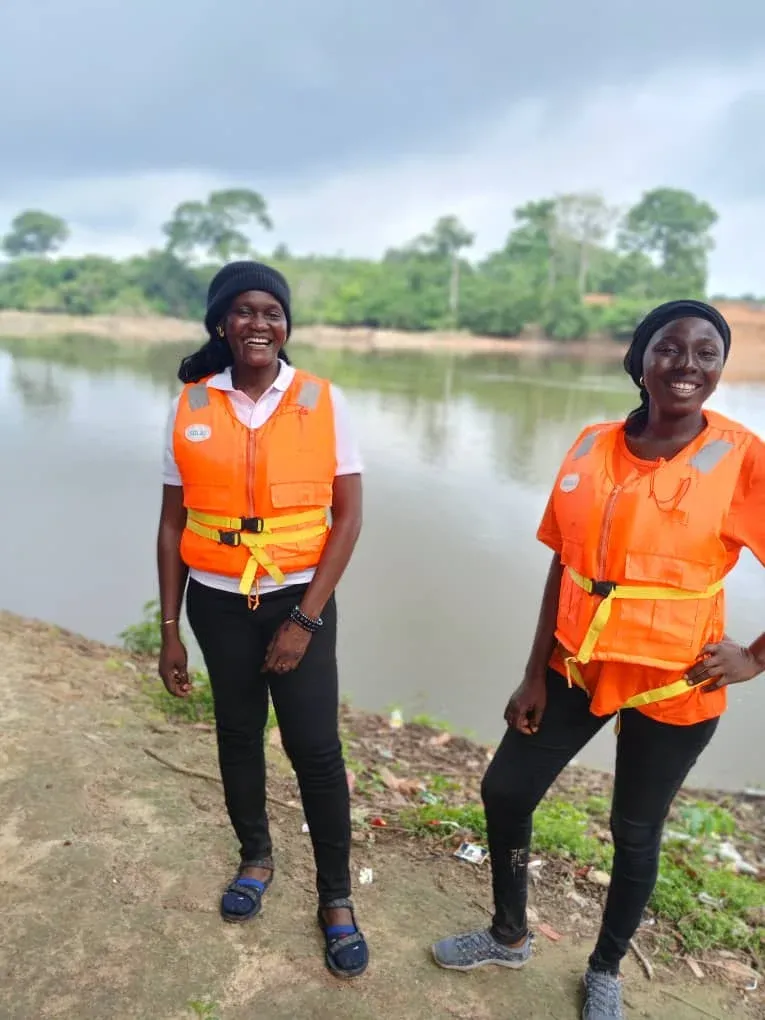
Evidence Production
We design and deliver research that addresses practical policy, programme and implementation questions.
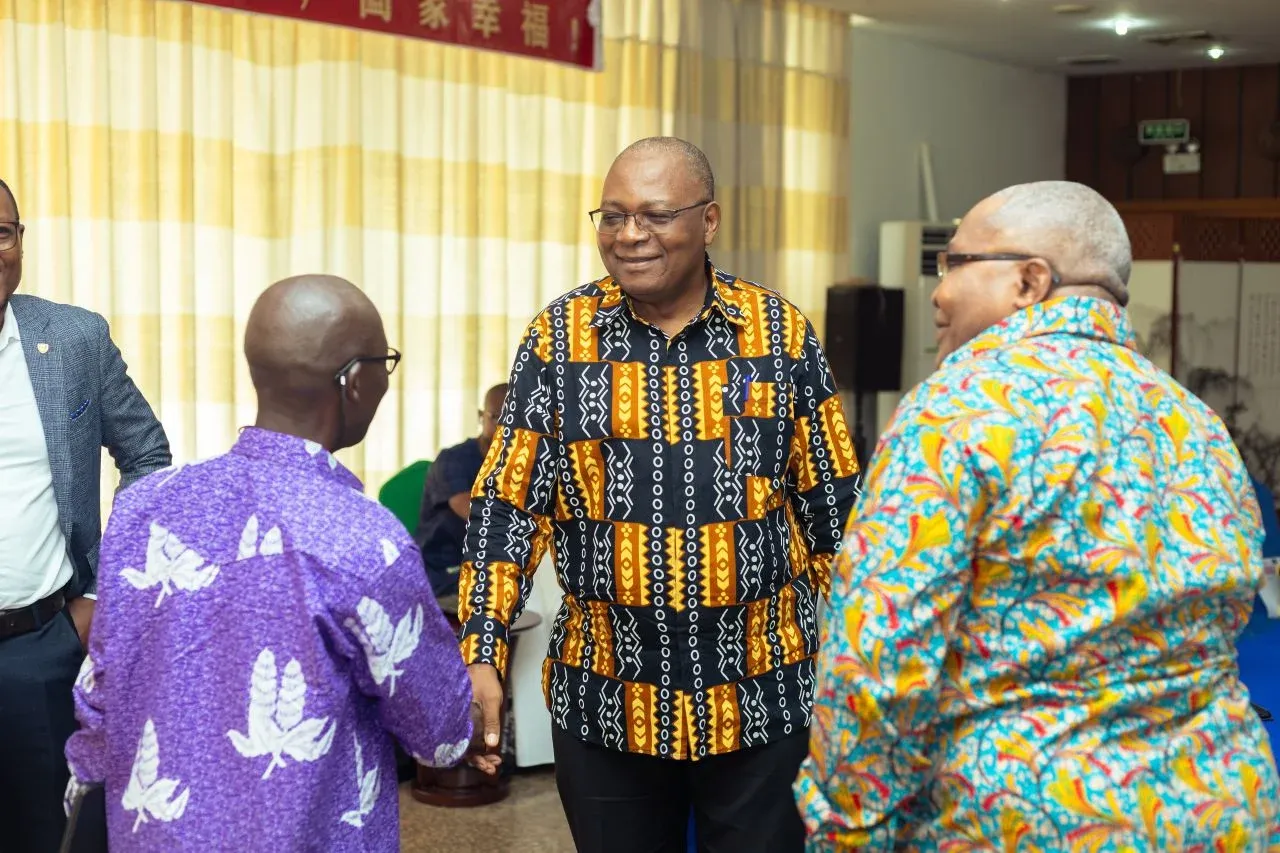
Evidence Intermediation
We bridge the gap between those who produce evidence and those who use it. We help ensure that research responds to genuine decision-making needs and is translated into forms that can inform policy and practice.
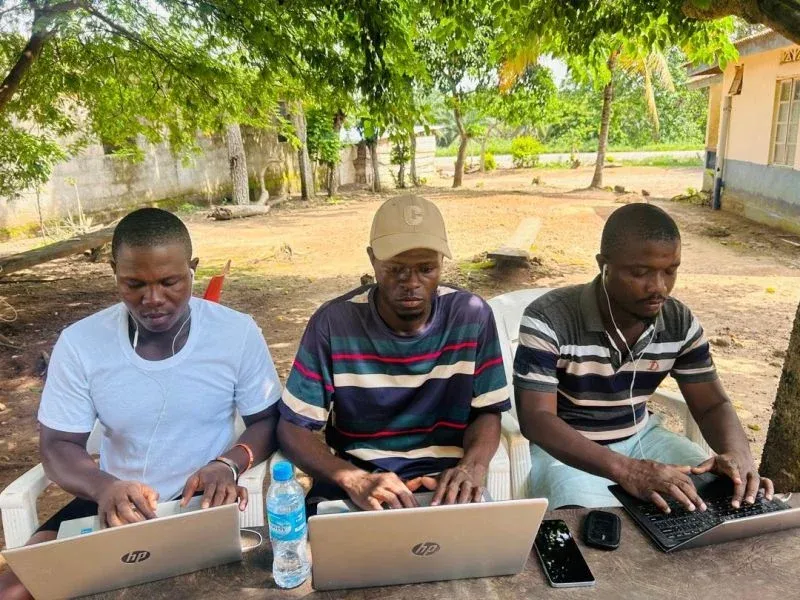
Evidence Infrastructure
We develop the digital platforms, systems and institutional arrangements that make evidence easier to find, manage, assess, synthesise and use.
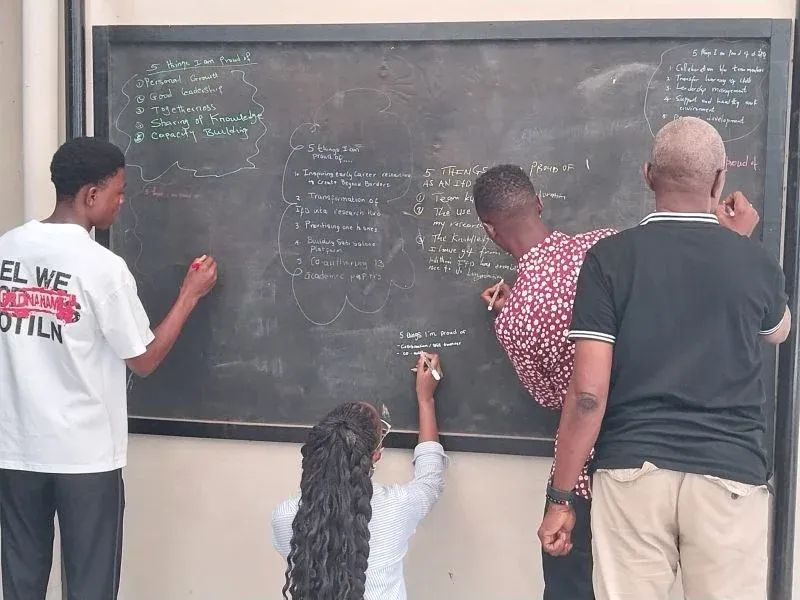
Capacity Strengthening
We strengthen the skills, systems and confidence of researchers, public institutions, civil society organisations and development practitioners to produce and use high-quality evidence.
Evidence Production
Our work includes
- Mixed-methods research, integrating qualitative and quantitative approaches to develop a fuller understanding of complex development challenges.
- Implementation research and implementation science, examining how policies and programmes operate in real-world settings, what affects their delivery and how implementation can be strengthened.
- Evidence synthesis and rapid reviews, bringing together existing research to provide timely and reliable answers to decision-makers.
- Programme and policy evaluation, assessing whether interventions are relevant, effective, equitable and sustainable.
- Political economy and institutional analysis, exploring how power, incentives, institutions and relationships shape reform.
- Participatory and community-engaged research, ensuring that the knowledge and experiences of affected communities inform both the research process and its conclusions.
- Research on evidence use, including how decision-makers identify, access, interpret and apply evidence.
Evidence Intermediation
Our work includes
- Identifying and prioritising evidence needs with policymakers, practitioners and communities.
- Translating complex research into accessible, decision-relevant products.
- Facilitating dialogue between researchers, policymakers, practitioners and citizens.
- Supporting the development of evidence-informed reform coalitions around shared national priorities.
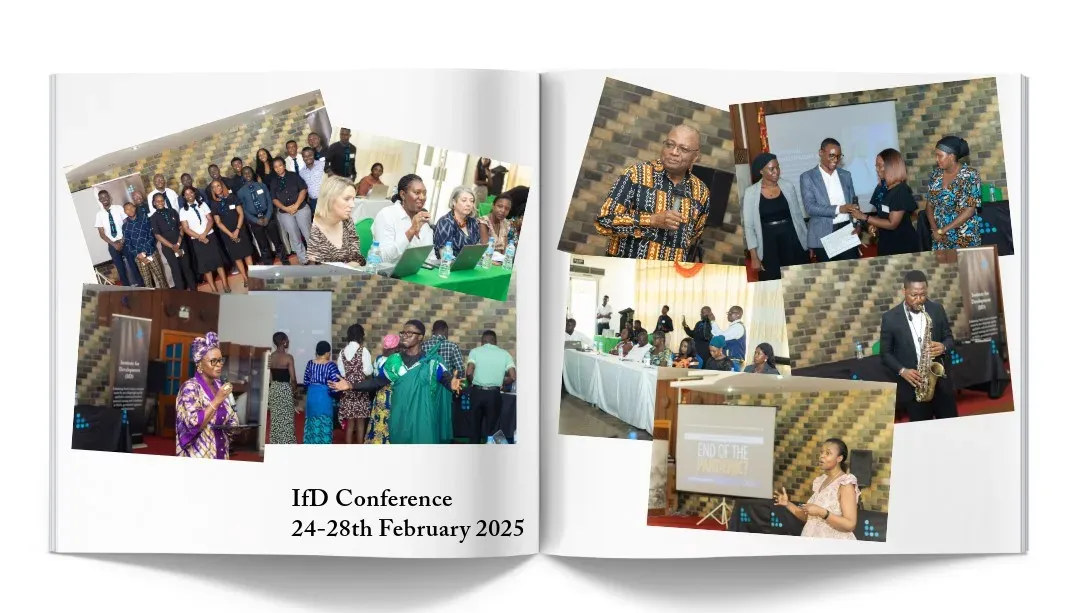
- Convening national stakeholders through platforms such as the National Evidence Summit.
- Strengthening partnerships and networks across the national evidence ecosystem.
Evidence Infrastructure
Our infrastructure includes
- Sabi Salone, Sierra Leone’s digital repository for national policies, laws, strategies and research.
- Sabi Core, an end-to-end digital platform supporting evidence organisations to ingest, organise, synthesise, govern and publish knowledge.
- Research repositories, evidence-management processes and knowledge-governance systems designed around the needs of institutions.
- Tools and workflows that combine appropriate technology with human judgement and quality assurance.
Capacity Strengthening
Our training and support include
- Qualitative research and analysis, including coding and analysis using MAXQDA.
- Quantitative research, including survey design, sampling, data management and analysis.
- Digital data collection, including questionnaire development and data collection using KoboToolbox.
- Evidence synthesis, including systematic reviews, rapid reviews and evidence-gap mapping.
- Implementation research and evaluation methods.
- Academic and policy writing, from developing research questions and protocols to producing journal articles, reports, briefs and presentations.
- Research quality assurance, including methodological review, supervision and mentoring.
- Institutional capacity strengthening, helping organisations establish sustainable research, evidence-management and evidence-use systems.
- Our mission
- To support decision makers in government, NGOs and business to understand what works.
- Our vision
- A high-capacity research and development sector in Sierra Leone.
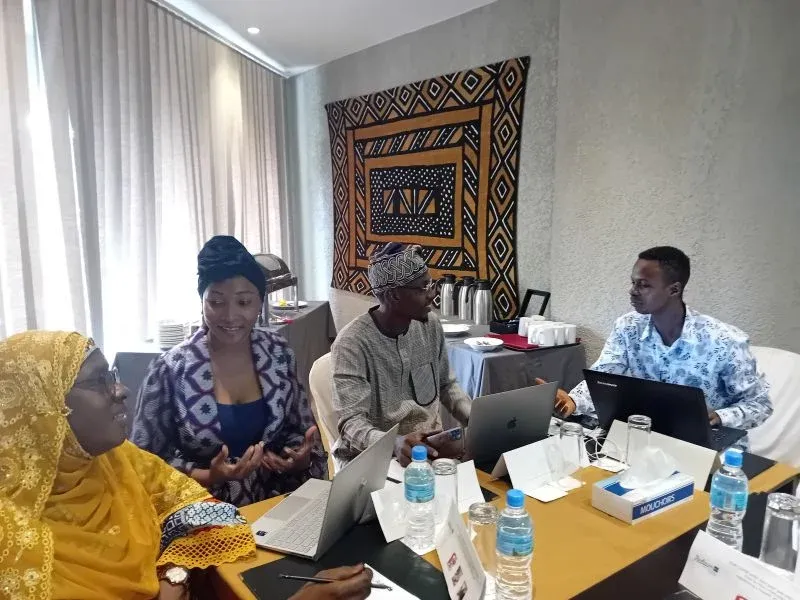
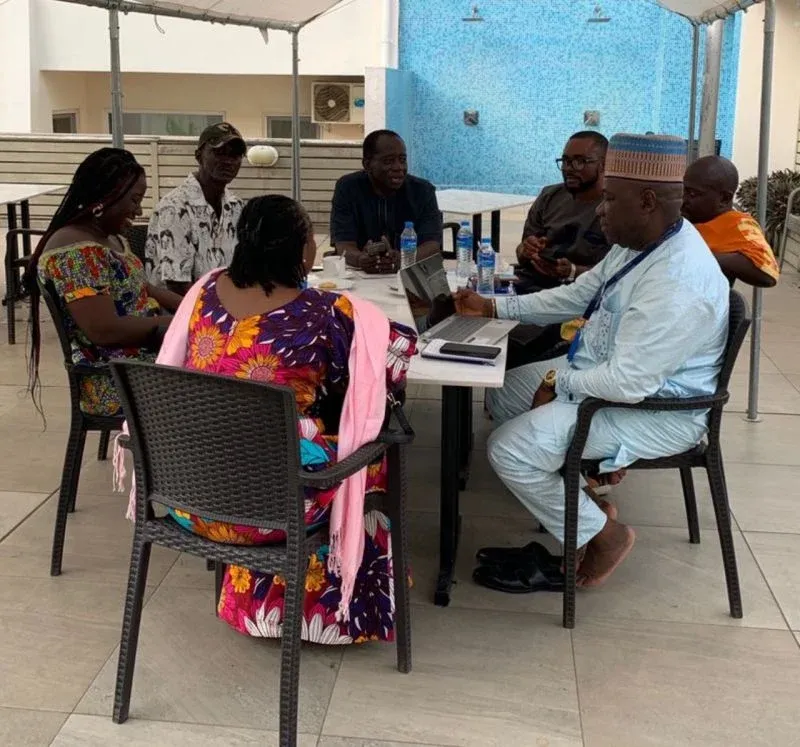
Highlights from current research

A sample of our clients










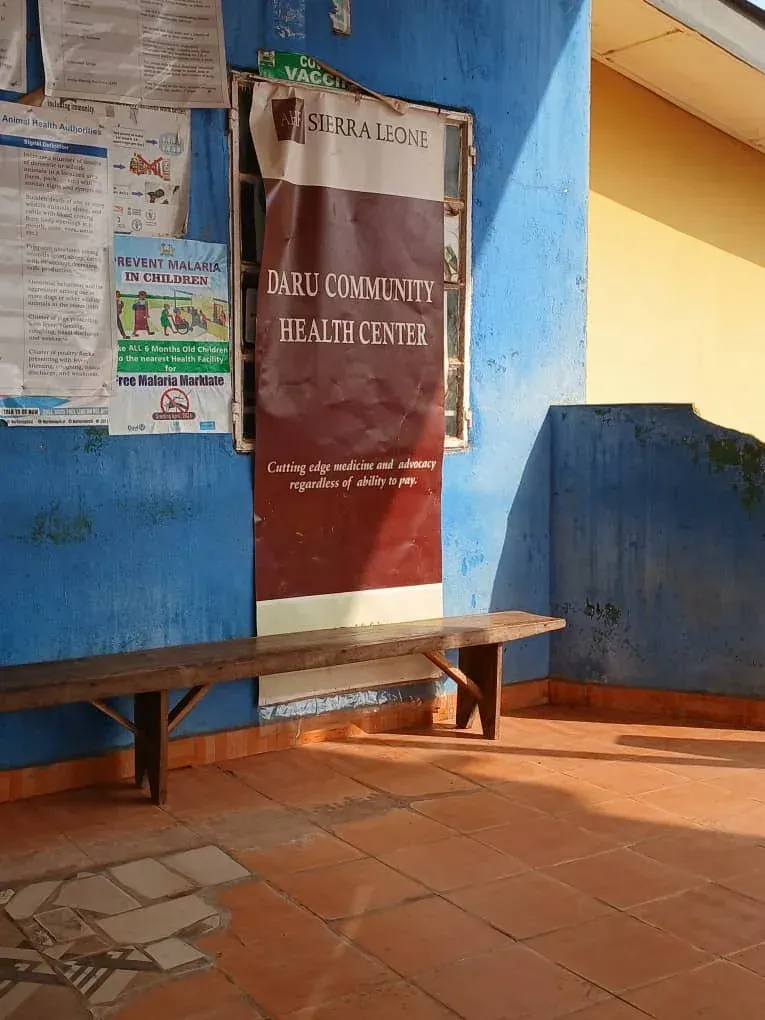
Latest insights
Tell us the decision you need to make.
We will tell you what evidence would help, and how we would gather it. Most enquiries get a reply within two working days.